How to Keep Your Home Mold-Free in Redington Shores: A Humidity Control Guide
In our coastal Florida climate, humidity isn’t just uncomfortable—it’s an open invitation for mold. We’ve seen firsthand how unchecked moisture in Redington Shores homes leads to hidden mold colonies in attics, crawl spaces, and behind walls. The good news? Proactive humidity control stops mold before it starts.
Why Humidity Is Mold’s Best Friend in Coastal Florida
Mold spores thrive in environments where relative humidity exceeds 60%. In Redington Shores, our proximity to the Gulf means indoor humidity often climbs higher—especially during summer and early fall.
Unlike dry climates, our warm, moist air penetrates walls, insulation, and subflooring. Without control, condensation forms on cool surfaces, feeding mold growth within 24–48 hours of water exposure.
Signs Your Home’s Humidity Is Out of Control
Musty odors are the first red flag. They often originate in attics, crawl spaces, or behind baseboards where airflow is limited.
Condensation on windows, especially in North Redington Beach and Madeira Beach homes with older single-pane glass, signals excess moisture. Peeling paint or wallpaper is another telltale sign.
Visible mold—black, green, or white spots—on walls, ceilings, or under sinks means humidity has already won. By this point, professional mold inspection and remediation may be necessary.
Mold behind drywall or in HVAC ducts spreads unseen. If you smell it but can’t see it, assume it’s worse than it looks and schedule a mold inspection.
The Most Effective Humidity Control Strategies
Dehumidifiers are your frontline defense. For Redington Shores homes, we recommend whole-house units for basements and crawl spaces, paired with portable models for attics or closets.
Proper ventilation is critical. Exhaust fans in kitchens, bathrooms, and laundry rooms should vent outside—not into attics. In older homes, we often find fans dumping moisture right into insulation.
HVAC systems must be sized correctly. Oversized units cool quickly but don’t run long enough to dehumidify. Undersized systems struggle in our heat, leading to constant moisture buildup.
Dehumidifiers vs. Air Purifiers: What’s the Difference?
Many homeowners confuse these tools. Dehumidifiers remove moisture from the air, directly combating mold’s food source. Air purifiers filter spores and particles but don’t address the root cause: humidity.
For mold prevention, dehumidifiers are non-negotiable. Air purifiers with HEPA filters can help capture airborne spores during remediation but won’t stop new growth.
| Tool | Primary Function | Impact on Mold | Best For |
|---|---|---|---|
| Dehumidifier | Removes moisture from air | Prevents mold growth by eliminating food source | Crawl spaces, basements, whole-home use |
| Air Purifier (HEPA) | Filters airborne particles | Captures existing spores; does not prevent growth | Post-remediation, allergy relief |
| HVAC with Dehumidifying Mode | Cools and dehumidifies | Reduces humidity if properly sized and maintained | Whole-home climate control |
Critical Areas for Humidity Control in Local Homes
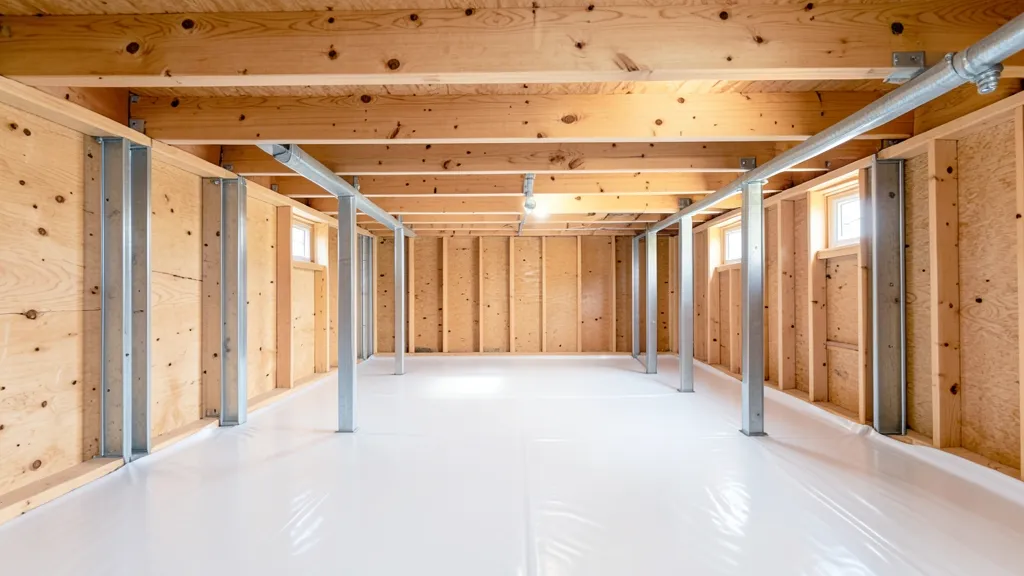
Crawl spaces are ground zero for mold in Redington Shores. Without vapor barriers and dehumidifiers, ground moisture wicks into wood and insulation. We’ve remediated countless crawl spaces in Indian Shores where this was overlooked.
Attics trap heat and humidity. Poor ventilation or blocked soffit vents turn them into mold incubators. Ridge vents and solar-powered fans can dramatically improve airflow.
Bathrooms and kitchens need exhaust fans that vent outside. In older homes, we often find these fans poorly installed or disconnected, dumping moisture into attics or between floors.
Humidity Hotspots to Inspect
- Crawl spaces (vapor barriers, dehumidifiers, drainage)
- Attics (ventilation, insulation, leaks)
- Bathrooms (exhaust fans venting outside)
- Kitchens (range hood ventilation)
- Laundry rooms (dryer vents, moisture from washers)
- Basements (sump pumps, dehumidifiers, sealing)
When Humidity Control Isn’t Enough: Mold Remediation Steps
If mold has already taken hold, humidity control alone won’t fix it. Professional mold remediation involves containment, HEPA filtration, and safe removal of affected materials.
Porous materials like drywall and insulation often must be removed. Non-porous surfaces can be cleaned with antimicrobial solutions, but only after fixing the moisture source.
Post-remediation, we always verify with air quality testing. This ensures spore levels are back to normal and the root cause—usually humidity or water intrusion—has been addressed.
Disturbing mold without proper containment can spread spores throughout your home. For areas larger than 10 square feet, or in HVAC systems, always hire a professional mold remediation team.
Long-Term Mold Prevention for Redington Shores Homeowners
Regular maintenance is key. Inspect roofs, gutters, and downspouts annually to prevent water intrusion. Clogged gutters are a top cause of basement and crawl space mold in our area.
Landscaping matters. Grade soil away from your foundation to prevent water pooling. In low-lying areas like Redington Beach, consider French drains or swales for extra protection.
Monitor indoor humidity with a hygrometer. Aim for 30–50% relative humidity year-round. In summer, you may need to run dehumidifiers continuously during peak humidity.
How to Test Your Home’s Humidity Levels
A simple hygrometer can reveal if your home is at risk for mold growth.
- 1Get a Reliable Hygrometer
Purchase a digital hygrometer (under $20 at hardware stores). Avoid cheap analog models, which can be inaccurate.
- 2Check Multiple Rooms
Place the device in different areas—especially basements, attics, and bathrooms. Note readings at different times of day.
- 3Compare to Outdoor Levels
Outdoor humidity in Redington Shores often exceeds 70% in summer. Your indoor levels should be at least 20% lower.
- 4Test After Rain or High Humidity
Check levels 24 hours after heavy rain or high outdoor humidity. If indoor levels stay above 60%, your home needs better moisture control.
- 5Look for Patterns
If certain rooms consistently read high, investigate ventilation, leaks, or poor airflow. These are likely mold hotspots.
Frequently Asked Questions
What’s the ideal humidity level to prevent mold in Redington Shores homes?
Aim for 30–50% relative humidity indoors. Above 60% significantly increases mold risk, especially in our coastal climate. Use dehumidifiers to maintain this range during humid months.
Can I just use my air conditioner to control humidity?
AC units do remove some moisture, but they’re not designed for dehumidification alone. Oversized ACs cool too quickly to dehumidify effectively. For best results, pair your AC with a dedicated dehumidifier.
How often should I run my dehumidifier in Redington Shores?
In summer, run it continuously or set it to maintain 50% humidity. In milder months, use it as needed based on hygrometer readings. Empty the tank regularly or opt for a model with a drain hose.
What are the first signs of mold in a high-humidity home?
Musty odors are the earliest warning. Next, look for condensation on windows, peeling paint, or dark spots on walls/ceilings. In crawl spaces or attics, white or black growth on wood or insulation is a red flag.
Does mold remediation include fixing the humidity problem?
Professional mold remediation addresses the existing mold but not always the root cause. Reputable companies like ours will identify moisture sources and recommend solutions—such as dehumidifiers or ventilation upgrades—to prevent recurrence.
Are some neighborhoods in the area more prone to mold?
Homes near the water in North Redington Beach and Madeira Beach often face higher humidity and storm-related moisture. Older homes in Redington Beach and Indian Shores may lack modern ventilation, increasing risk. However, any home can develop mold without proper humidity control.