How to Choose a Trusted Mold Inspector in Redington Shores
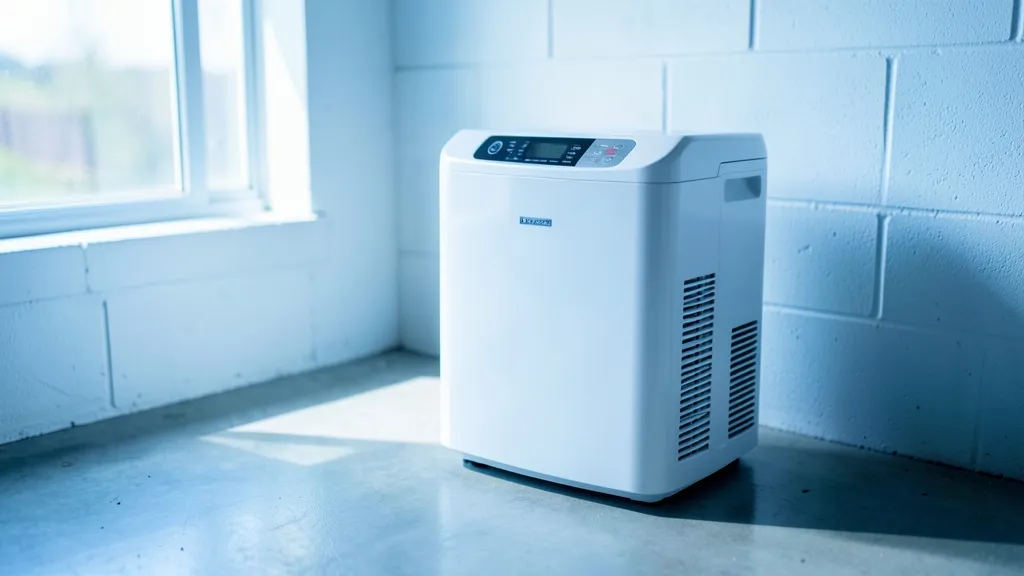
Choosing the right mold inspector in Redington Shores isn’t just about finding someone with a flashlight and a clipboard. Our coastal climate—humid summers, storm surges, and older homes with hidden moisture—demands expertise in both detection and prevention. A proper inspection can mean the difference between a quick fix and a recurring nightmare.
Why Mold Inspections Are Critical in Coastal Florida
Redington Shores’ proximity to the Gulf means homes here battle high humidity year-round. Even minor water intrusion from a leaky roof or poorly sealed window can fuel mold growth within 24–48 hours.
Unlike drier regions, our area’s warm, moist air accelerates spore spread. Without early detection, mold can compromise structural integrity, HVAC systems, and indoor air quality—especially in attics and crawl spaces.
Certifications Matter: What to Look For
Not all inspectors are created equal. Look for certifications from the IICRC (Institute of Inspection, Cleaning and Restoration Certification) or ACAC (American Council for Accredited Certification). These ensure training in proper sampling, analysis, and remediation protocols.
Avoid ‘certifications’ from online courses with no hands-on testing. True experts also carry liability insurance and follow Florida’s mold-related regulations, which are stricter than many states.
Ask for certification numbers and cross-check them on the IICRC or ACAC databases. A legitimate inspector will provide these without hesitation.
The Right Tools for Accurate Detection
A thorough inspection uses more than visual checks. Moisture meters, thermal imaging cameras, and borescopes help uncover hidden mold behind walls or under flooring. Air sampling pumps capture spore counts for lab analysis.
Beware of inspectors relying solely on DIY test kits. These often yield false negatives or positives and lack the precision of professional-grade equipment.
| Method | Accuracy | Cost Factor | Best For |
|---|---|---|---|
| Professional Air Sampling | High | Higher (lab fees included) | Hidden mold, spore identification |
| Surface Sampling (Tape/Swab) | High | Moderate | Visible mold, species confirmation |
| Thermal Imaging | High | Moderate | Detecting moisture behind walls |
| DIY Test Kits | Low | Low | Preliminary checks (not reliable for remediation decisions) |
Local Experience: Why It’s Non-Negotiable
An inspector familiar with Redington Shores, North Redington Beach, or Madeira Beach understands our unique risks: salt air corrosion, flooding from tropical storms, and older homes with poor ventilation.
They’ll know where to look—like under piers in crawl spaces or in attics where AC condensate lines may have failed. Out-of-town inspectors might miss these local red flags.
The Inspection Process: What to Expect
A proper inspection starts with a detailed interview about water damage history, odors, or health symptoms. The inspector then examines high-risk areas: bathrooms, kitchens, basements, and HVAC systems.
They’ll document findings with photos, moisture readings, and samples sent to an accredited lab. A full report should include spore types, concentrations, and a remediation plan if needed.
What a Mold Inspection Report Should Include
- Detailed moisture maps of affected areas
- Lab results with spore counts and species
- Photos of mold growth and water damage
- Clear remediation recommendations (if applicable)
- Preventive measures tailored to your home
Red Flags: Avoid These Inspector Mistakes
Run from inspectors who promise ‘mold-free’ homes—it’s impossible. Also avoid those who offer remediation from the same company without independent testing; this is a major conflict of interest.
Another warning sign: inspectors who don’t test for moisture. Mold thrives where water lingers, so skipping this step means missing the root cause.
Never hire an inspector who also performs remediation on the same job. This violates industry ethics and Florida’s best practices for unbiased assessments.
Understanding Costs and Value
The price of a mold inspection varies based on home size, number of samples, and lab fees. Larger homes or those with suspected widespread issues (like after flooding in Indian Shores) may require more testing.
While it’s tempting to choose the cheapest option, skimping on inspection quality can lead to costly remediation later. Request a quote to understand the scope and pricing for your specific needs.
How to Prepare for a Mold Inspection
A little prep ensures the inspector can work efficiently and thoroughly.
- 1Clear Access Areas
Move furniture, storage boxes, or clutter away from walls, especially in basements, attics, and crawl spaces. This allows the inspector to examine hidden spots.
- 2Note Problem Areas
Make a list of any musty odors, water stains, or past leaks. Share this with the inspector to guide their focus.
- 3Turn Off HVAC Systems
If possible, avoid running air conditioning or heating 1–2 hours before the inspection. This prevents airborne spores from dispersing and skewing results.
- 4Provide Maintenance History
Have records of past water damage, roof repairs, or plumbing fixes ready. This helps the inspector identify recurring issues.
- 5Secure Pets
Keep pets in a separate area to ensure the inspector can access all parts of the home without distractions or safety concerns.
Frequently Asked Questions
How often should homes in Redington Shores get a mold inspection?
We recommend an annual inspection, especially if your home is near the coast, has a history of water damage, or is older. After major storms or flooding, schedule one immediately—even if you don’t see visible mold.
Can mold return after remediation?
Yes, if the root moisture issue isn’t fixed. That’s why a good inspector will identify and document the source of water intrusion, not just the mold itself. Proper moisture control is key to long-term prevention.
Is mold testing included in a standard home inspection?
No. General home inspections typically check for visible mold but don’t include air or surface sampling. For a thorough assessment, you need a dedicated mold inspection with lab analysis.
What’s the difference between mold testing and mold inspection?
Mold testing involves collecting samples (air, surface, or bulk) for lab analysis to identify spore types and concentrations. Mold inspection is the broader process of visually assessing the property, measuring moisture, and determining the extent of the problem. Testing is often part of an inspection but not the same thing.
Are there specific mold risks in Redington Shores’ older neighborhoods?
Absolutely. Older homes in areas like Redington Beach or Indian Shores often have outdated plumbing, poor ventilation, or deteriorating building materials—all of which create ideal conditions for mold. Inspectors here must be familiar with these common issues.
Does homeowners insurance cover mold inspections or remediation?
Coverage varies widely. Some policies exclude mold entirely, while others may cover it if the damage stems from a ‘covered peril’ like a burst pipe. Always check your policy and consult your insurer before assuming coverage.