Why Air Quality Testing Is Critical for Mold Remediation in Redington Shores
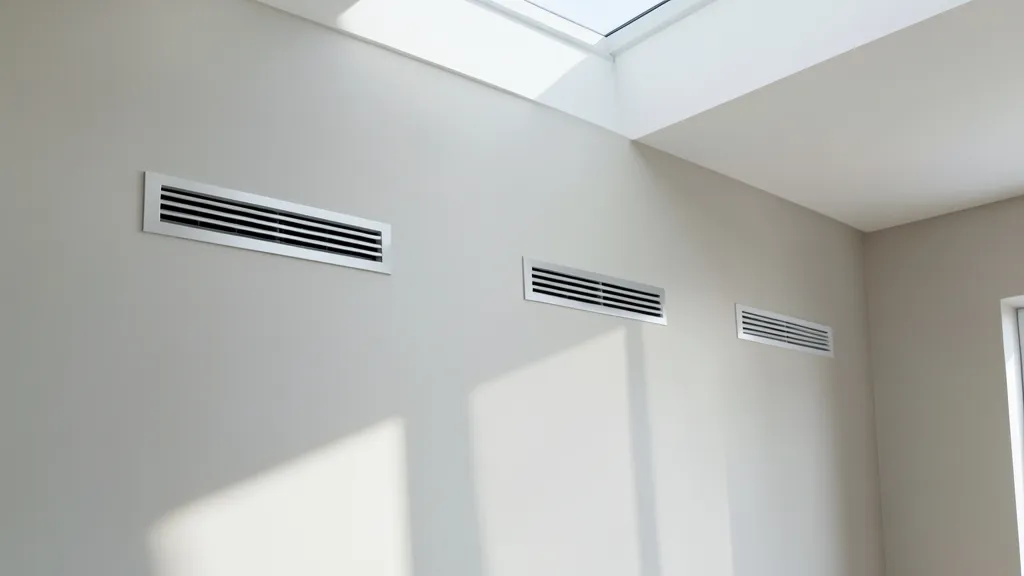
Mold doesn’t just grow on walls—it spreads invisible spores through the air, often long before you see or smell it. In our coastal climate, humidity and hidden moisture make air quality testing a non-negotiable step in any professional mold remediation project. Without it, you risk leaving behind spores that can recolonize within weeks.
How Mold Spores Travel Through Your Redington Shores Home
Mold reproduces via microscopic spores that float through the air, settling on surfaces when conditions are right. In homes near the Gulf, high humidity and warm temps accelerate this process.
These spores can hitch a ride on HVAC systems, spreading from a damp crawl space in North Redington Beach to living areas. Even a small, hidden leak can seed an entire property if airflow carries the spores.
When Air Quality Testing Is Essential (Not Optional)
Testing is critical before remediation to identify spore types and concentrations. Post-remediation, it verifies that spore levels are back to normal, indoor baselines.
We also test if occupants report unexplained respiratory issues, musty odors persist after cleaning, or water damage has occurred in attics, crawl spaces, or basements. In commercial spaces, it’s often required by insurance or local codes.
Signs You Need Air Quality Testing
- Visible mold growth in any area of the property
- Musty odors that linger after cleaning
- Recent water damage or flooding (even if dried)
- Unexplained allergies, asthma, or respiratory irritation
- Before purchasing or renting a property in flood-prone areas like Madeira Beach or Indian Shores
The Science Behind Professional Air Quality Testing
We use spore trap sampling—the industry standard—to capture airborne mold spores on a sticky surface. These samples are analyzed under a microscope to identify species and spore counts.
For hidden mold, we may deploy ERMI or HERTSMI-2 dust testing, which screens for mold-specific DNA in settled dust. This helps uncover contamination in wall cavities or under flooring.
| Method | Best For | Limitations |
|---|---|---|
| Spore Trap Sampling | Identifying airborne spore types and counts | Does not distinguish live vs. dead spores |
| ERMI Testing | Screening for mold in dust (hidden mold) | Requires lab analysis; not real-time |
| HERTSMI-2 | Quick assessment of mold burden in homes | Less detailed than full ERMI |
| Surface Sampling | Confirming mold on visible surfaces | Does not assess airborne spores |
Why DIY Test Kits Fall Short in Coastal Florida
Store-bought test kits often lack the sensitivity to detect low but harmful spore levels. They also don’t account for Florida’s unique mold ecology, like Aspergillus or Chaetomium, which thrive in our humid, salty air.
Improper sampling—like testing only one room or during dry conditions—can skew results. Our team follows IICRC S520 guidelines to ensure accuracy, including outdoor control samples for comparison.
DIY kits may miss mold if spores aren’t airborne at the time of testing. Professional testing includes multiple sample points and considers HVAC airflow patterns.
How Testing Guides the Remediation Plan
Air quality results tell us which mold species we’re dealing with and their concentration. This dictates containment strategies, PPE requirements, and whether affected materials can be cleaned or must be removed.
For example, toxic black mold (Stachybotrys) often requires full containment and HEPA air scrubbing during removal. In attics or crawl spaces, we may recommend moisture control upgrades to prevent recurrence.
Post-Remediation Verification: The Final Step
After remediation, we retest the air to confirm spore levels match outdoor baselines. This step is crucial—skipping it risks undetected residual contamination.
In Redington Shores, we often see mold return in properties where post-remediation testing was skipped. Verification protects your investment and your health.
Mold in HVAC Systems: A Hidden Threat in Humid Climates
Your HVAC can be a superhighway for mold spores. In Redington Shores, where AC runs nearly year-round, condensation in ductwork or coils creates ideal breeding grounds.
Air quality testing often reveals elevated spores near vents, signaling HVAC contamination. We may recommend duct cleaning, UV light installation, or coil treatment as part of remediation.
Replace HVAC filters every 1-2 months in high-humidity seasons. Consider a dehumidifier for homes in Indian Shores or Redington Beach with older systems.
Commercial Mold Remediation: Stricter Standards for Businesses
For commercial properties, air quality testing is often mandated by OSHA, insurance, or lease agreements. Tenant health and liability risks are higher, so standards are stricter.
We work with businesses in Madeira Beach and beyond to document testing, remediation, and verification—critical for compliance and resuming operations safely.
How to Prepare for Professional Air Quality Testing
A few simple steps ensure accurate results and a smooth process.
- 1Close Windows and Doors
Keep all exterior doors and windows closed for 24 hours before testing to avoid diluting indoor spore samples with outdoor air.
- 2Avoid Cleaning or Using Air Purifiers
Don’t run HEPA filters, ozone generators, or deep-clean the day before testing. This can temporarily reduce spore counts, masking the true issue.
- 3Identify Problem Areas
Note any musty odors, water stains, or visible mold. Share this with our team to prioritize sampling locations.
- 4Clear Access to Key Systems
Ensure our technicians can reach HVAC vents, attics, crawl spaces, and basements. Move stored items if needed.
- 5Plan for Occupant Safety
If mold is suspected in living spaces, consider temporarily relocating sensitive individuals (e.g., those with asthma) during testing and remediation.
Frequently Asked Questions
How long does air quality testing for mold take in Redington Shores?
On-site sampling takes about 1-2 hours, depending on the property size. Lab analysis typically adds 24-48 hours. We can expedite results for urgent cases, like after a storm or flood.
Can air testing detect mold behind walls?
Indirectly, yes. Elevated spore counts in air samples can indicate hidden mold, even if it’s not visible. For confirmation, we may pair air testing with moisture meters or borescope inspections.
Is air quality testing covered by insurance for mold remediation?
Coverage varies by policy. Many insurers in Florida require professional testing to validate a claim, especially for water damage-related mold. We recommend checking with your provider and can provide documentation to support your case.
What’s the difference between mold testing and air quality testing?
Mold testing can refer to surface or bulk samples (e.g., swabs of visible mold). Air quality testing specifically measures airborne spores. Both are often used together for a complete assessment.
How often should I test for mold in my Redington Shores home?
Test after any water intrusion event, or if you notice musty odors or health symptoms. For proactive maintenance, consider annual testing if your home has a history of moisture issues, a crawl space, or an older HVAC system.
Do you offer air quality testing for rentals or commercial properties?
Yes. We provide testing, remediation, and verification for residential and commercial properties, including rentals in North Redington Beach, Indian Shores, and surrounding areas. Landlords often use our reports to address tenant concerns or meet lease requirements.